People in CQA

CQA brings together people with complementary interests in Quantum Information Science, education, and scientific computing. The profiles below describe individual experience and areas of contribution. Institutional affiliations identify participants’ professional backgrounds and do not, by themselves, establish institutional membership or commitments.
Members
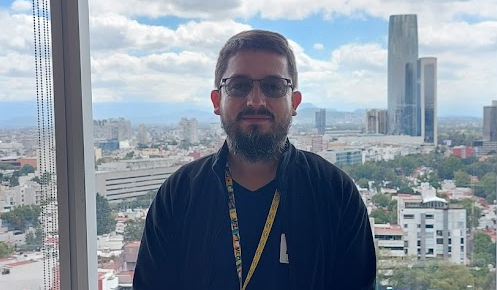
Dr. Esteban Hernández
Esteban Hernández is a computer engineer with a Ph.D. in Engineering specialising in high-performance computing (HPC) and more than 23 years of professional experience. His work spans artificial intelligence, computer vision, numerical simulation, and the acceleration of scientific workloads, including weather prediction. He founded CyberColombia, served as Executive Director of SCALAC in 2025, and leads the Colombian Quantum Alliance. He is co-author of Parallel Heterogeneous Computing for Accelerating Weather Forecasting and advises organisations on scientific computing, bringing experience across industry, research, and regional collaboration to the development of Colombia’s quantum community. LinkedIn

Jhon Dario Medina
Jhon Dario Medina is a systems engineer with 42 years of professional experience, principally at Empresas Públicas de Medellín (EPM), where he worked until his retirement in October 2024. His background includes enterprise architecture, cloud computing, and systems integration, with responsibility for the Azure Integration Services platform. He was the first leader of EPM’s quantum computing research group and continues to pursue research and education in this field. He teaches introductory quantum computing for organisations and studies Microsoft’s quantum computing strategy and software platforms, including the Quantum Development Kit. LinkedIn
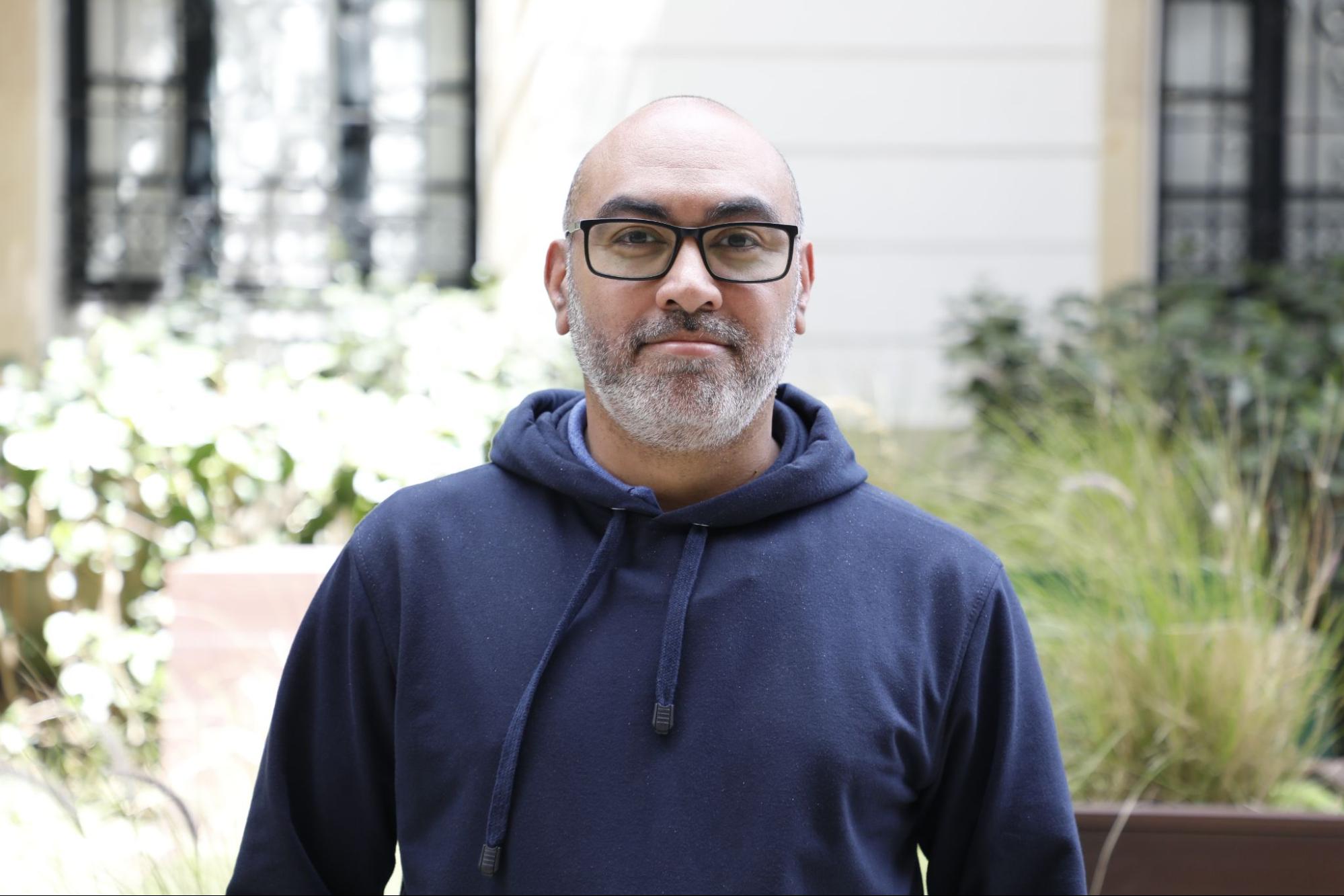
Dr. Luis Eduardo Seijas
Luis Eduardo Seijas Ruiz is a professor at the School of Science and Engineering of Universidad del Rosario in Bogotá. His research combines computational chemistry, molecular modelling, and machine learning, including molecular dynamics simulations and structure-based virtual screening. His interests in quantum computing focus on adapting quantum algorithms for electronic structure calculations, mapping molecular Hamiltonians, and investigating chemical problems. He contributes experience in molecular interactions, simulation methods, and data-driven approaches to interdisciplinary research and education, connecting chemistry with scientific computing and the training of future researchers in quantum-related methods. LinkedIn
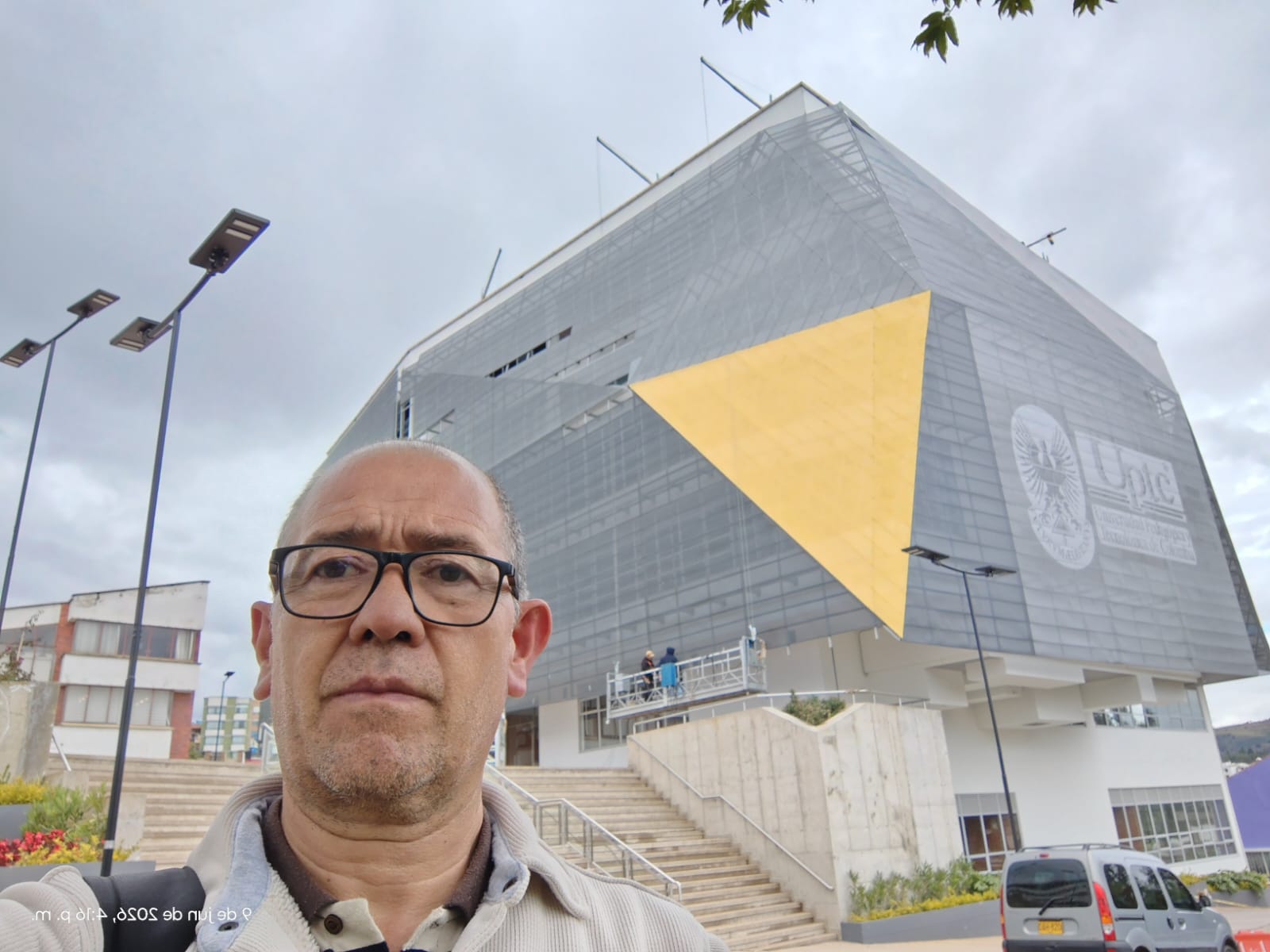
Gustavo Cáceres, MSc
Gustavo Cáceres Castellanos is a Full Professor at Universidad Pedagógica y Tecnológica de Colombia (UPTC), with a master’s degree in Information and Communication Sciences and more than 35 years of teaching experience. A researcher in the Information Management Research Group (GIMI), he designed UPTC’s quantum computing micro-curriculum and leads the development of its quantum computing centre (C3B) and research seed group (ICCE-UPTC). His work combines GPU-based quantum simulation, educational platforms, and the development of quantum thinking, connecting researcher training and interdisciplinary collaboration with the needs of Boyacá’s productive sector. LinkedIn
Dr. José Manuel Escorcia Tafur
José Manuel Escorcia Tafur is an Assistant Professor at Universidad EAFIT and Head of its undergraduate programme in Mathematical Engineering. He holds a Ph.D. in Mathematics from IMPA and a master’s degree in Applied Mathematics from the University of Puerto Rico at Mayagüez. His research addresses nonlinear partial differential equations, soliton dynamics, and reaction-diffusion models. He has taught quantum computing at EAFIT and is interested in its connections with mathematical modelling, dynamical systems, and scientific computing, contributing analytical and numerical expertise to the exploration of quantum methods for applied problems. LinkedIn
Dr. Camilo Andrés Espejo Pabón
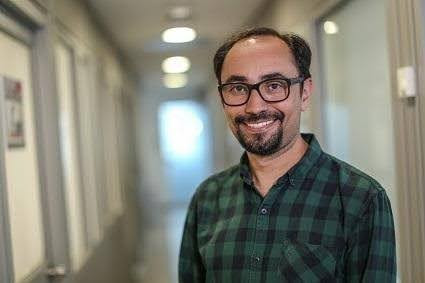
Camilo Andrés Espejo Pabón is an Associate Professor in the Department of Physics and Geosciences at Universidad del Norte. A solid-state and condensed matter physicist, he studies electronic structure, layered materials, and van der Waals interactions using density functional theory and high-performance computing. His experience also includes mathematical and computational modelling of social systems. With more than twenty years of university teaching, he contributes expertise in computational materials science, simulation, and researcher training, alongside experience organising academic events and advanced summer schools that connect scientific research with education. LinkedIn
Dr. Nicolás Avilán
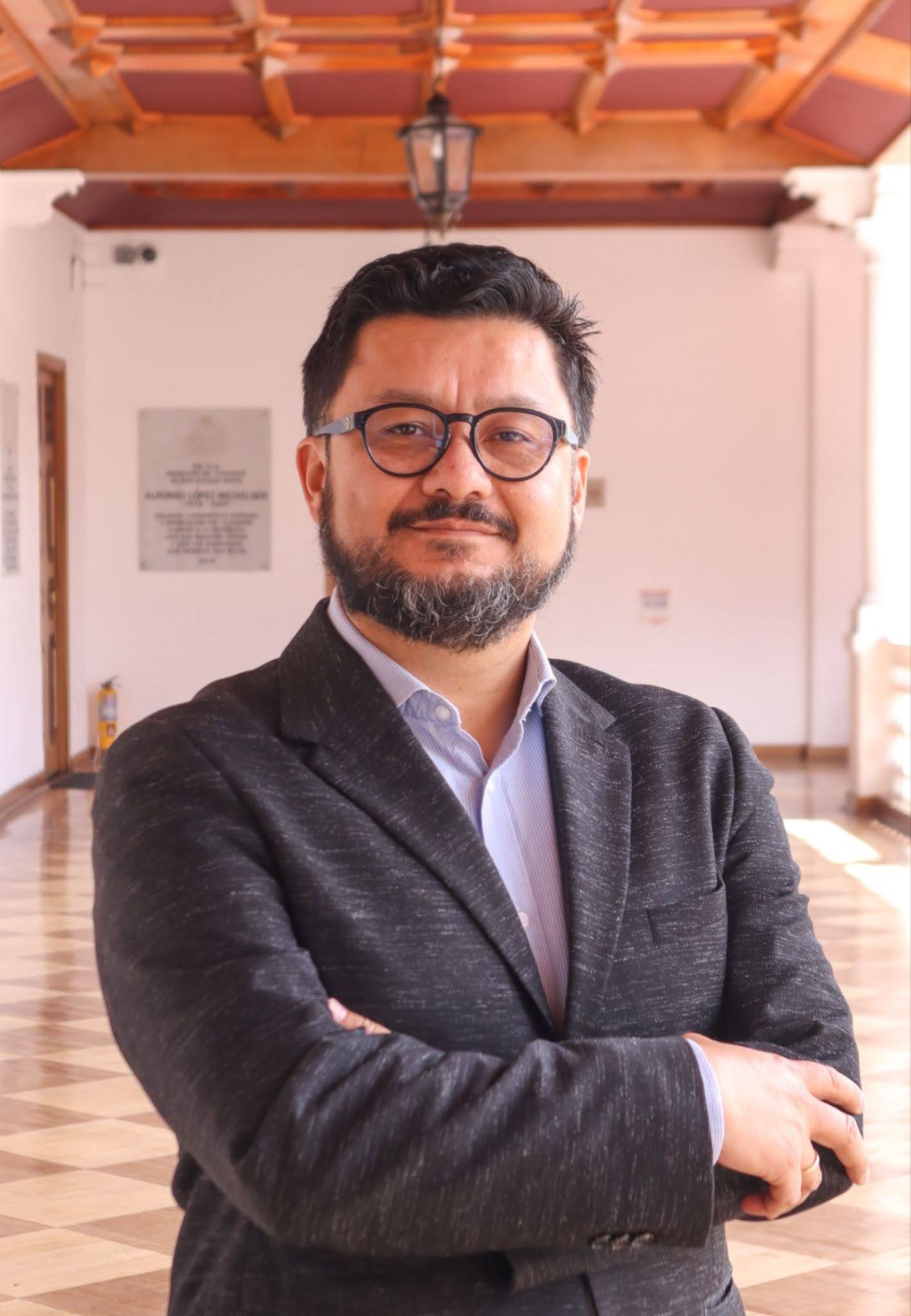
Nicolás Avilán Vargas holds a Ph.D. in Physics and is a professor at the School of Sciences and Engineering of Universidad del Rosario, where he directs the undergraduate programme in Applied Mathematics and Computer Science. His research connects applied mathematics, artificial intelligence, and quantum computing, with interests in computational geometry, machine learning, quantum information science, and the mathematical foundations of intelligent systems. Through interdisciplinary research, teaching, and international collaboration, he contributes to quantum education and researcher development, bringing mathematical rigour and computational thinking to the study of emerging technologies. LinkedIn
Dr. Juan Guillermo Lalinde
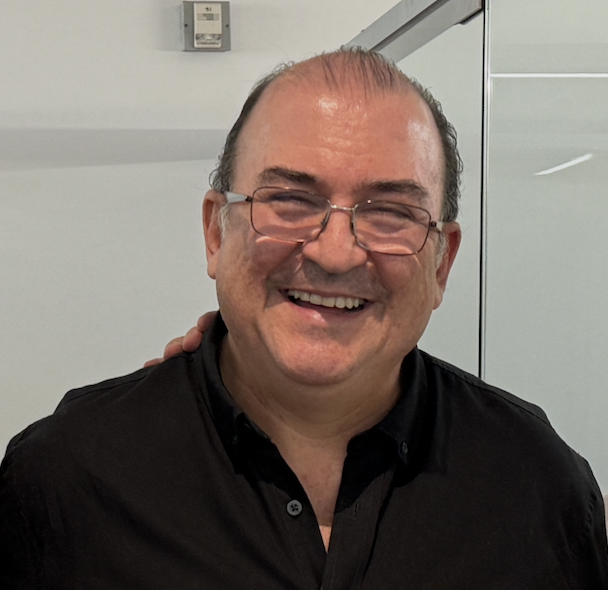
Juan Guillermo Lalinde Pulido is a Research Professor at Universidad EAFIT with more than 30 years of experience and a Ph.D. in Telecommunications from the Polytechnic University of Valencia. His background spans computer science, mathematics, information security, and scientific computing. He founded and directed EAFIT’s APOLO Scientific Computing Center from 2011 to 2025 and has held academic leadership and national advisory roles. His research includes applied and quantum cryptography and intrusion detection. He teaches Quantum Computing I and Quantum Machine Learning, contributing expertise in advanced computing, security, and education. LinkedIn
To explore participation in CQA, contact quantum@cybercolombia.org